Feeds:
Posts
Comments

Today I am re-posting an article that Emily submitted to our branch website this week. Emily did a great job summarizing how easily it is to get derailed in our daily work that we often miss our aim or goal.

Original post: http://www.pbtpng.org/seeking-him-in-the-chaos-of-life

By Emily Hewitt

I have the best seat in the office. I am convinced. It may not be apparent to people some days because my seat seems chaotic, challenging and half the time empty. But when I sit down at my desk and look out at the chairs that seat nationals coming from many different language groups Pioneer Bible Translators works with, and others I really don’t know, I see many things. Some days I see faces broken from receiving bad news while they were in town at the hospital. Other days the seats are filled with people who are waiting for someone to set them up on their computers so they can work on translation, literacy or some other assigned task. Still other days the seats can be filled with people waiting for someone to come help bring the New Testament into their language. These seats are filled with opportunities God gives Pioneer Bible Translators to serve the least of these.

My heart softened in the midst of one of those crazy, chaotic weeks when I looked out to see a faithful follower sitting in one of those seats. His head was bowed and his lips moving, obviously pleading to the Father. I don’t know what his prayer was about that day, but it compelled me. My week had been full of busyness where I was attempting to solve things I couldn’t solve and get through the never ending to-do list. I hadn’t slowed down enough that day to pray about which problems needed to be solved or what should be on my to-do list. As I said, I’m not sure what this man was praying about, but just the picture of his conversation with God reminded me of the gift and power we have in prayer. What a gentle reminder God sent me to more fully rely on His answers. The example that this faithful follower showed me that day is what I came to Papua New Guinea to help make real for non-believers: showing the example of Christ. I’m humbled to see the many faces that come through the door each day; I can’t imagine doing anything else with my life.
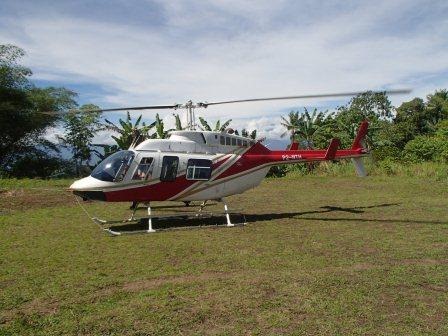
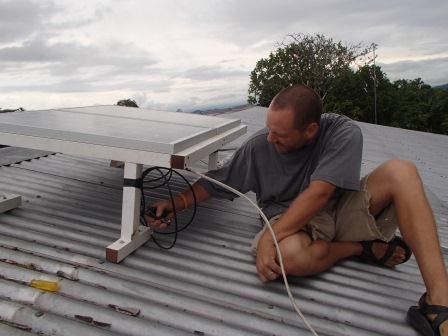
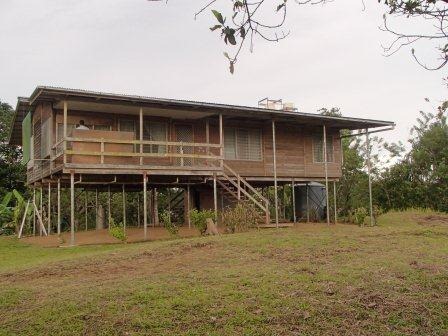
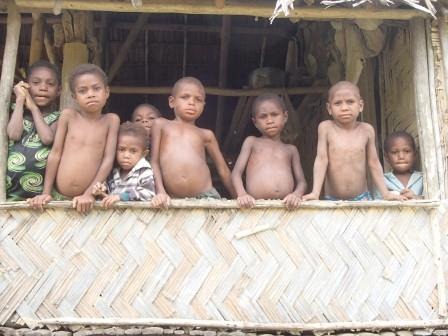
A few weeks back I was asked to join a work team to help a family with some repairs and setting up solar panels for their village house. The village of Igoi is only accessible by foot or helicopter. There is no road or waterway for travel. Igoi sits on top of a mountain around 2000 ft above sea level in the Madang Province. My role of the team was to mount two solar panels on the roof, stop bees from coming into the house, and clearing a clogged water line from the header tank. So after praying and considering the trip I agreed to go on this short 3 day/2 night trip.

We left at 7am for a two hour drive to meet the helicopter for a very short 5 minute ride to the village of Igoi. The 5 minute ride is the equivalent of 6 hours or more of hiking . Once we landed, we began to unload and grasp our bearings on what needed to be fixed. Of course the most important item is power. In the village your only options are generator or solar. Luckily there is both but once petrol runs out after a few weeks, you need to be more resourceful. Good thing in the tropics of PNG there is plenty of free sunshine to use for energy.

Right away the solar electronics were tested by another individual on the team and the 200 amp hour battery was set in place. Luckily the battery had a charge at 12.6 volts. We were immediately able to pump water from the 5000 liter tank to the two header tanks mounted on the roof which provides gravity feed water to the kitchen and bathroom. In the meantime, the third part of the team was sweeping and cleaning the house.

I found the extension ladder and went to the roof to find out what was next for the solar panels. I found the old structures for the previous panels were rotten and too far beyond for use. I also found the hot water header tank had 6 empty plastic containers floating in it. I knew the clog was from the cold water header tank and found it to be algae buildup in the outlet line of the header tank. That was easily freed to allow cold water to the taps.

As I planned the mounting of the new solar panel stand which I previously bought, painted, and cut in town before bringing them to the village; it was time to figure out where they would be placed on the roof. After that, it was time to begin the assembly of the stand. Thanks to the generator I was able to use a power drill to predrill holes in the very dense hardwood of PNG, kwila. Though my cordless 20v DeWalt hammer drill was excellent at sinking 4” screws into the 2”x2” timber.

The next day the panels were mounted and the stand went up the ladder to be screwed into the roof rafters. The wiring was completed and tested. Right away, the solar controller was charging the batteries even though the day was cloudy. The two 65 watt panels will provide the family enough power for lights, charging phone and computers, as well as the water pump. The refrigerator/freezer is configured for LP gas as well as the stove/oven.

For the bees, the simplest and easiest fix was just to seal up the gaps where the bees were coming and going from. A tube of No More Gaps caulk got the job done and not a single bee sting though they were very upset.

The next day, day 3, the helicopter came back to pick us up for our 5 minute shuttle ride to the truck for our 2 hour ride back to town. It was a trip well worth it and got much accomplished in a short amount of time.

The thing that continues to amaze me is how God still uses me in ways I never could have imagined. What next God? You must be careful when you sign your name and say ‘Here I am, Send Me.’ To God be the Glory.

Wewak Getaway

Emily and I took last week off from work for a week long holiday (vacation). Turned out, I worked on the boat over the weekend, installed new screen wire on the front window and mowed grass before leaving on Wednesday afternoon for Wewak. Finally in Wewak we both were able to relax and enjoy the sights as well.

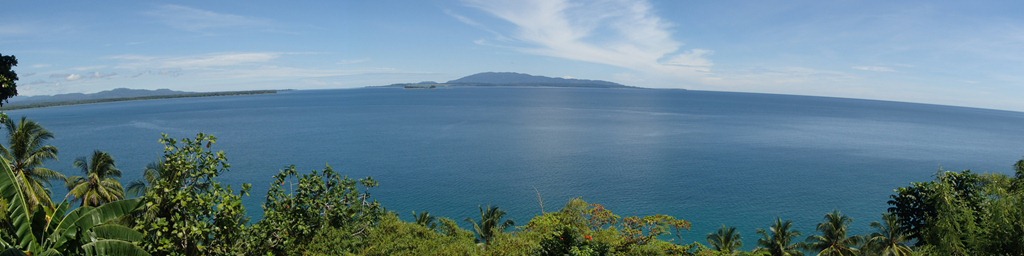
Wewak is the Gateway to the Sepik. Wewak is the provincial centre of the East Sepik province that lies northwest of Madang along the Pacific Ocean. We left Madang for a 45 minute flight to Wewak. Wewak is off the road system and only accessible via plane or boat. One of the main draws to Wewak was to visit our friend Missy who works with SIL and was staying at the SIL Guesthouse in Wewak. We made arrangements to stay at the guesthouse for three nights and visit with Missy. (Missy is from Australia and came to visit us in Alaska last year.)

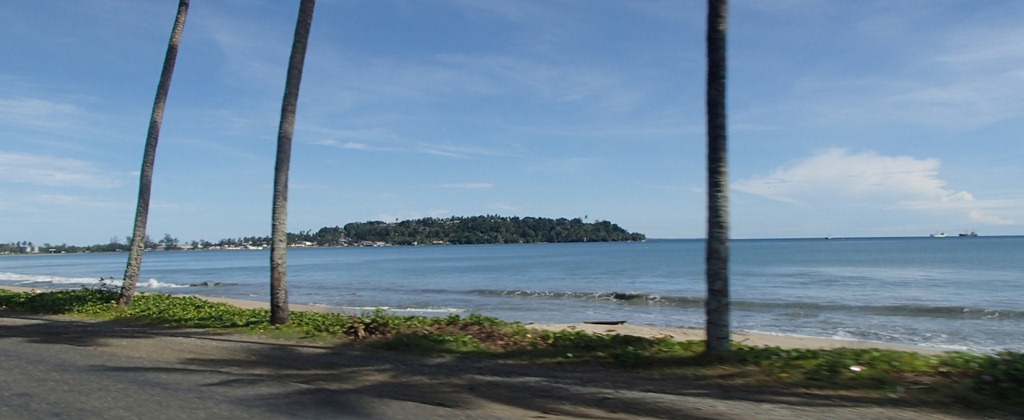
Approaching Wewak town along the beach drive

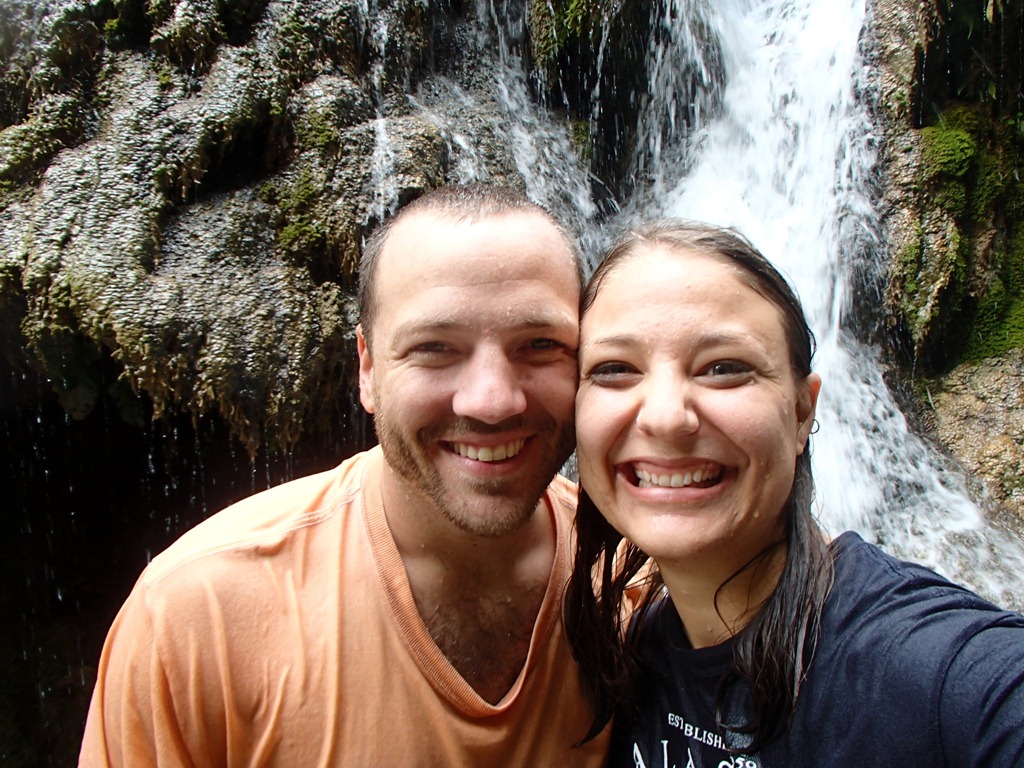
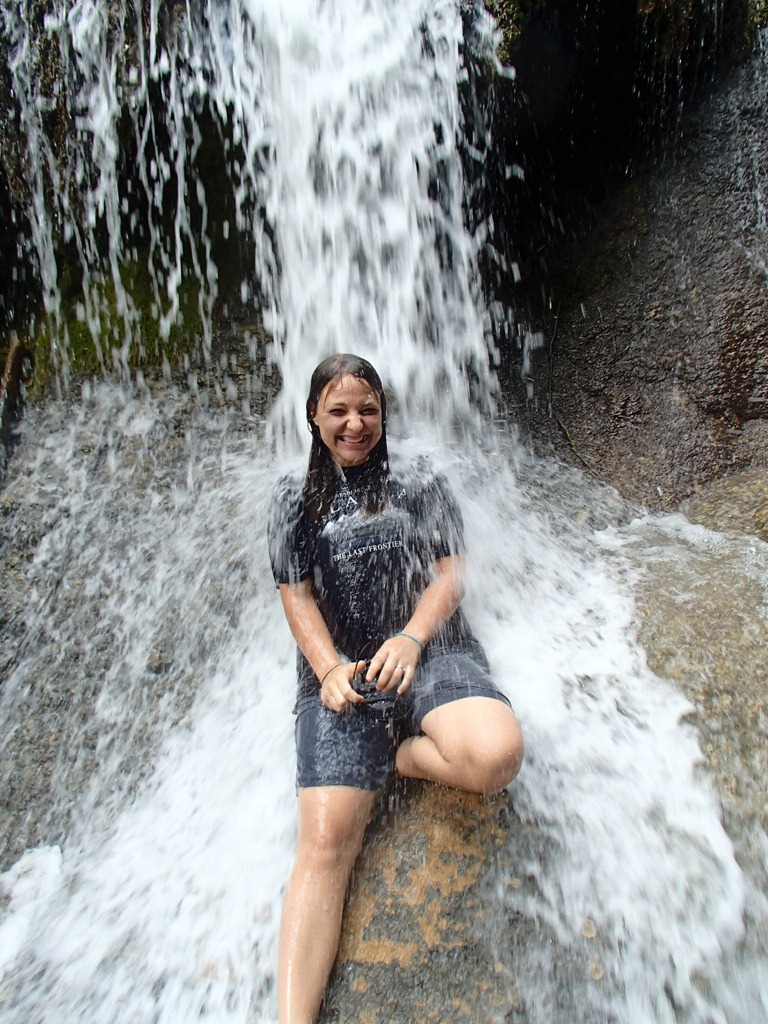
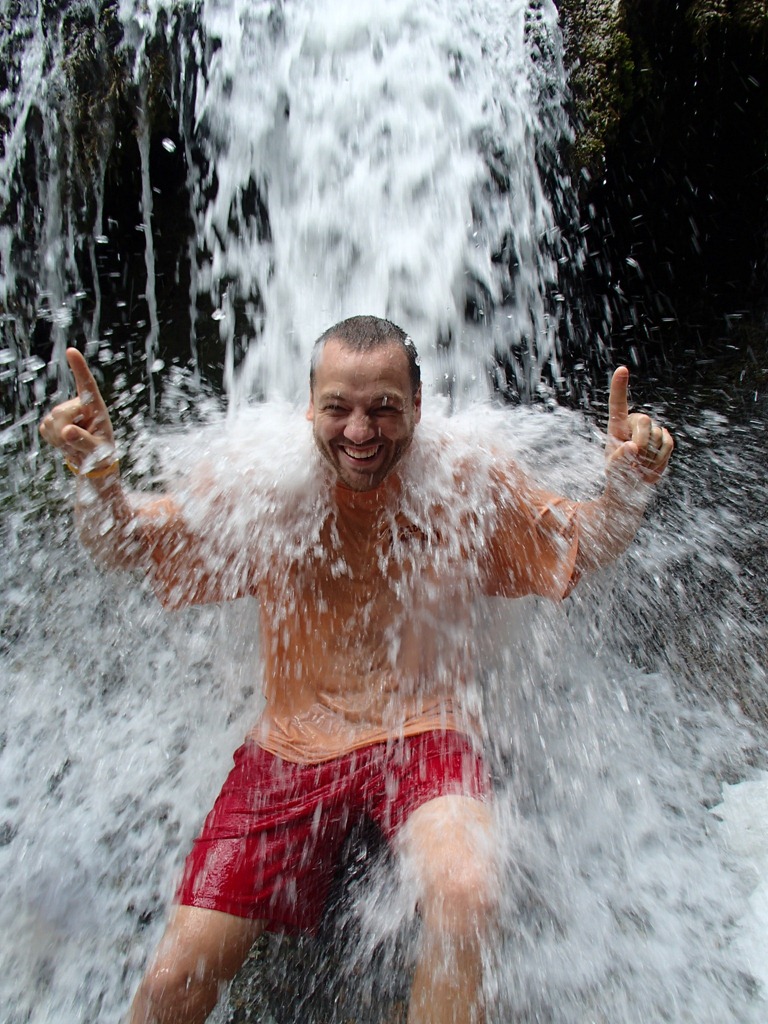
In Wewak, we went to the town market, did some errands, and went to lunch at a local hotel restaurant. That afternoon we drove to Passam (1 hr drive out of town towards the mountains) to enjoy a waterfall. I was thinking of a more traditional waterfall with water free falling into a pool rather than cascading water over rocks. The water was refreshing and many spots along the rocks offered great hydrotherapy back massages.

Friday we relaxed at the guesthouse reading and playing card games before venturing out in the afternoon to the beach and a seaside dinner at the other local hotel restaurant. The breeze was pleasant and the white sand provided excellent beach walking.

It all ended with a 7:30 am flight back to Madang the next morning. Only to come home and find a coconut tree snapped in half and lying in the ocean. Luckily the tree did not fall the other direction that would have hit our truck or the house…odd how things happen while you are away. Overall, it was a good getaway and a great opportunity for Emily and I to leave town, the house, the office, and find some R&R.

Sept Video Update

So it has been almost forever since I last posted anything let alone a video. In earlier Sept, Emily and I were in Gandep teaching at the Church of Christ Bible college there. We took a brief video from Gandep with a couple cameo roosters in the background. Enjoy.

Harvest

This week Emily wrote for the branch website, pbtpng.org, about harvest time in north central Montana and the harvest fields in Papua New Guinea. I feel it is appropriate to share with you as well.

By Emily

It doesn’t matter where I am in the world, I always long to be back in the harvest fields in north central Montana during the months of July and August.  Many people describe Papua New Guinea as paradise.  Though it may be tropical paradise it will take my heart a long time to consider it my idea of paradise.  Don’t get me wrong I enjoy the lush beautiful scenery of Papua New Guinea and the adventure it brings. My heart still screams for the rolling fields of golden wheat when it’s ready to harvest mixed together with the big blue sky.  The opportunity to be “on call” for whatever equipment part that needs to be picked up in town or busy preparing the next meal, at which point getting a call to come move machinery.  I had a part to play in the harvest and though it’s been done many times without me, at the time I served a purpose.  My brothers would poke fun at mom, my sister and I that they did all the hard work but really at the end of the day it took a level of team work to get it all done. At the end of harvest we could all utter a sigh of relief and be proud of what was accomplished, not to mention have a good steak dinner to celebrate.

Today, I’m in Papua New Guinea because of the deep impact the harvest season had on my life and the reality that Jesus himself said,

“The harvest is plentiful, but the workers are few. Ask the Lord of the harvest, therefore, to send out workers into his harvest field.” (Luke 10:2)

My heart beats to know that God has a plan for the people of Papua New Guinea to know himself and that He wants to use me to be a part of the harvest.  Every day I realize the sheer magnitude of the task and realize the pressure that dad had on his shoulders to do whatever it took to bring in the harvest each year.  It takes strategy, sacrifice, and sheer determination to keep on keeping on.  Thank you to all who are praying, sending and going, we will one day be in true paradise rejoicing over the harvest and it will be magnificent!

Emily is the Director of Support Services.

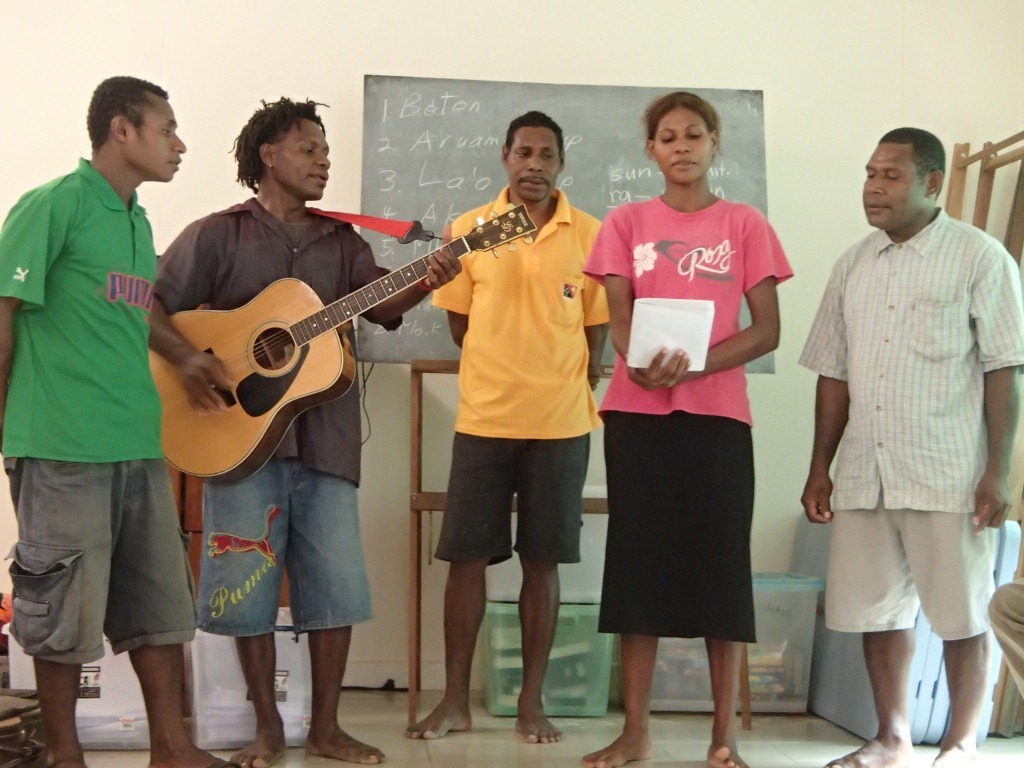
Over the past few weeks I had the opportunity to record both vernacular and Tok Pisin songs of four language groups that were attending the Elementary Prep Teacher Training Course that was being conducted by PBT. Back in January I made the statement that it was a goal of mine this year to do some audio recording. This tickled the ears of the course director and she later asked me if I would be interested in recording finger plays and alphabet songs. I said, lets give it a try as it would be my first time and a great learning experience.

This past month, I was given the opportunity to work four different languages groups. I recorded two alphabet songs, many finger plays, and also other school songs that students recite. It was neat to hear the different sounds of each unique language. Two of the languages have the New Testament in their language, Aruamu and La’o. Two others are working towards the completion of their New Testaments, Mborena Kam and Akukem. The Mborena Kam is hoping to finish and have their New Testament dedication in 2015.

I recorded songs for the schools such as: 5 Green Frogs, 10 Ripe Mangos, 10 Little Fingers, Small Spider, and Head, Shoulders, Knees and Toes.

To listen to 5 Green Frogs in Mborena Kam language – Click Here.

While working with these groups, we are encouraging the use of mother tongue language and the use of their language in their schools to keep their rich heritage and culture. These songs will be saved to SD card then played in many forms of audible devices such as boom boxes and mobile phones. Children will repeatedly play these songs until the batteries go dead or until the annoyed parents take away the device.

Bot Tok Pisin and English are growing and becoming more acceptable in every day language while their local mother tongue language is dying. By capturing the language audibly for the next generation of speakers, we hope to re-enforce the use and importance of their heart language.

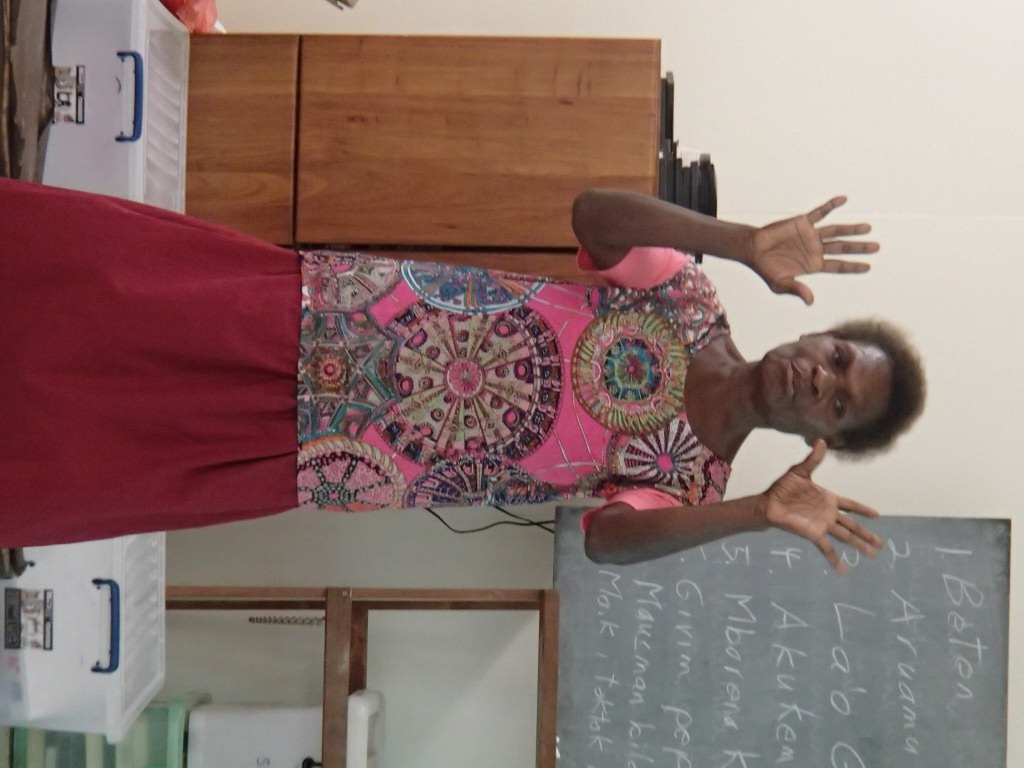
Below are pictures of the four language groups that attended the course and that I got to work with to record their language.

When I was attending Jr. High Sunday School class at First Christian Church in Brazil, IN the teacher had a different title,  Jr. High University. We were just not an ordinary Jr. High class but we were students enrolled in University. Our teacher took the serious approach to Sunday School, this was not your social hour but rather University class. The class would start and he would ask how many chapters of the Bible we read last week. Everyone would answer and he would record. You could tell who the Bible Bowl students were from the average student. I knew during the worship service that I needed to read some chapters cause I didn’t want to be embarrassed in University class. I would diligently read during the sermon to up my chapters for class. At least I felt a little better about it than lying to the teacher about how many chapters I read the previous week.

Our teacher also believed in reading the Bible in a language that we could understand. Many of us today have a difficult time reading the King James or even the New International Version. Our teacher would give each student a Contemporary English Version Bible, simply stated, God’s Words in Your Words. It was much easier to understand and follow so this was the version of the Bible that we used in the University.

One Sunday during class our teacher made this statement, “All Bibles should be red” or at least how I understood the statement. My first thought was well yes, Jesus’ words are very important and they are in red. I agreed with the statement and thought, you are right teacher all Bibles should be red. I looked at my Bible and noticed it was blue and my Bible at home was black and brown. I though to myself, something is wrong, my Bible is not red. The conversation went on to explain that all Bibles should be ‘READ’. Ah…that makes perfect sense.

In Papua New Guinea as in any country, not all Bibles are read. Go one step further, not all languages in the world has a Bible to read. It is a huge challenge to translate the Bible or New Testament into the heart languages of the people. However this is just the first step, the next hurdle is to get God’s people to read the Bible. After all, all Bibles should be read.

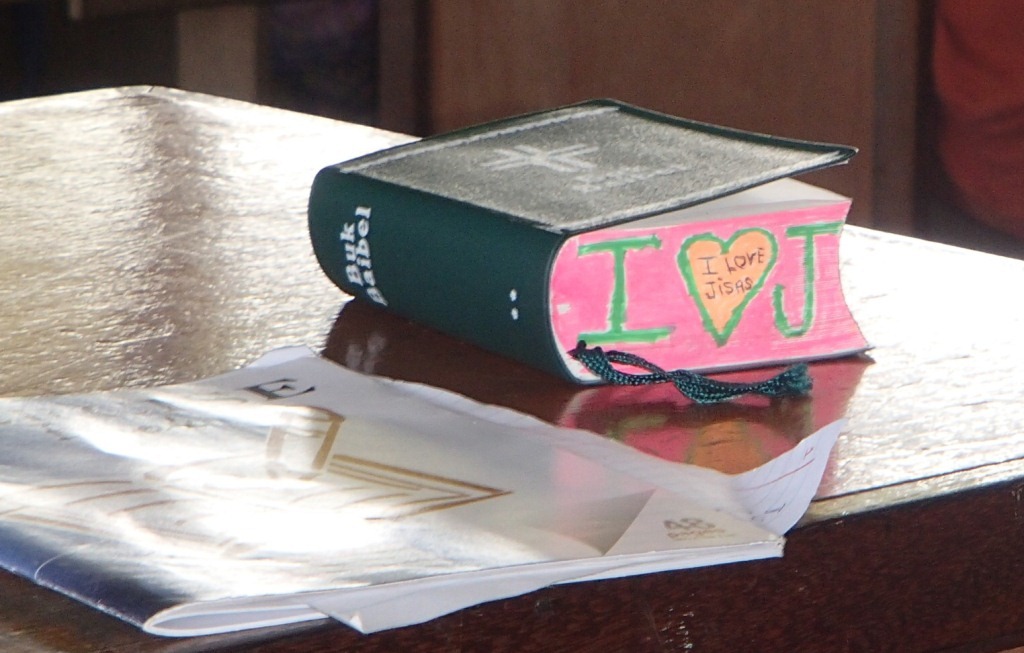
The picture below is from Gandep Bible College in rural Papua New Guinea. It is a picture of the Tok Pisin Buk Baibel (Bible) along with a student’s notebook. This Bible might not be red, but from the looks it must be read quite often.

Last weekend, Emily and I along with two other colleagues made the trip to Ukarumpa in the Eastern Highlands of Papua New Guinea. This is a place where the climate is much cooler and comfortable than the heat of Madang. It has rolling hills much like the Smoky Mtns in Tennessee.

It was different to feel cool at night and in the morning. Having a blanket or cover on the bed was odd but welcomed and the feel of socks on your feet was a new experience as well. I can probably count the number of times on one hand that I have worn shoes or socks since returning in January.

It was a pleasant and enjoyable weekend though not long enough as most vacations aren’t. We left Madang Thursday morning and returned Sunday afternoon. The 5.5 hr trip was uneventful despite the 45 km or 1 hr of pothole driving. I only hit one medium size pothole going 115 km, other than that no damage done.

We played games, laughed, and enjoyed great breakfast meals together. Emily bought loads of highland strawberries at the market on Friday morning and froze them to carry back to Madang. The girls enjoyed fruit smoothies during the weekend full of PNG fruit minus the pineapple found in the lowlands.

This picture is taken from Kassam Pass looking back to the Ramu Valley. Ramu Valley is home to sugar and palm oil as well as some cattle. The winding road through the Pass we found a pull out to snap a few pictures of beautiful PNG.

God save the Queen

Last Monday, Jun 10 was a national holiday in PNG. The office was closed for the Queen’s Birthday. I decided to invite all the single ladies in the office plus Emily to Pig Island for a day of relaxing on the beach and snorkeling. It was me the captain plus six women…I felt humbled to be in their presence.

We all enjoyed a day in the sun away despite being stung by a jelly fish. Thanks for some Advil and cold packs, I was able to survive the sting. Now I have a small bottle of vinegar stored away on the boat for next time…lesson learned.

For your viewing pleasure I shot a short video.

The many names of Jesus…if you recall in the fall of last year we were raising the awareness for a new branch vehicle in Papua New Guinea (PNG). In Oct I posted this article ‘100% ROI’.

The headquarters in Dallas gave us a matching gift which was our aim to meet and surpass. All team members were challenged to reach out to their networks of churches, families, friends, and supporters for the plea of the branch in PNG.

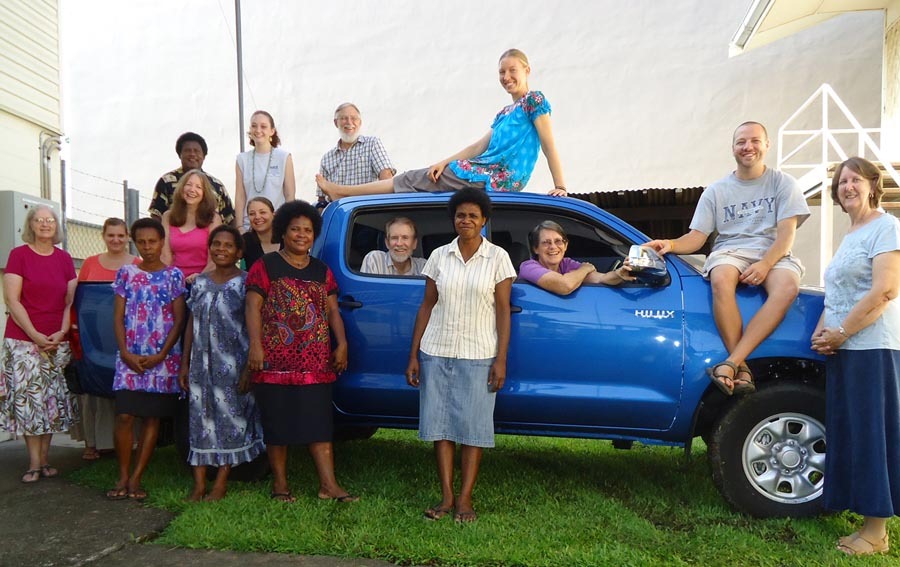
Two weeks ago, a new blue 4 door (double cab) 4WD Toyota Hilux was in our hands. Yeah! Praise God! The Provider has answered our cry and heard our plea. Thank you!

This new truck will enable us to provide secure and safe transport of both missionaries and national colleagues. It will be used to take people and cargo to and from the airport, transport equipment to and from the village, and any other needs that arise for a truck. Though most importantly a reliable vehicle that we can trust and depend on.

Both Emily and I say thank you for praying and giving towards this new vehicle purchase. God is in the business of answering prayers and He is hearing our heart cry here in PNG not only for a truck but for more labours in the fields. God is truly our Provider. All praise and thanksgiving goes to you, the Provider.